Real Estate Boom in Nevada: Trends and Predictions

Nevada’s housing market is shaped by population movement, job growth, construction, mortgage costs, and limits on affordable supply. Las Vegas and Reno attract the most attention, but conditions vary widely across the state, so a statewide “boom” can mask very different experiences for buyers, renters, and communities.
The outlook is uncertain: demand may remain firm if migration and employment hold up, while high borrowing costs or a pickup in homebuilding could cool price pressure. Understanding the local market matters more than relying on a single statewide headline.
What’s driving Nevada’s real estate activity?
Nevada’s real estate activity reflects a mix of population growth, employment, relative housing costs, and new development. These forces support demand, but their effects differ by city and can shift as economic conditions change.
Migration and population growth bring new households seeking work, family connections, or a different cost and lifestyle balance. Las Vegas benefits from a broad service economy, tourism, health care, logistics, and other employers. Reno and northern Nevada have their own employment base, including technology, distribution, manufacturing, and services. Job opportunities help sustain demand, but migration alone does not guarantee that every new resident can afford a home.
Housing supply also shapes the story. Builders respond to demand when land, labor, financing, infrastructure, and local approvals allow. In parts of Nevada, development faces practical constraints such as water availability, transportation needs, and the cost of extending utilities. Those factors can slow construction or influence where new housing is built.
Mortgage rates add another layer. When rates rise, a buyer’s monthly payment can climb even if the home price stays flat. Some owners then delay selling because they would need to finance a replacement home at a higher rate, limiting listings. That can keep housing inventory tight even as affordability weakens.
How market conditions vary across Nevada
Nevada’s housing market is not uniform: Las Vegas, Reno, smaller cities, and rural communities have different employers, housing choices, and supply pressures. Local conditions can diverge even when statewide measures point in one direction.
Las Vegas is the state’s largest housing market, with a wide range of neighborhoods and home types. Its size supports more varied options, from apartments and townhomes to detached houses, but prices and rents can differ substantially across the valley. Employment tied to tourism and hospitality can also make local housing demand sensitive to the wider economy.
Reno has a smaller market and a distinct mix of employers and geography. Access to jobs, the Sierra Nevada, and regional transport links contributes to its appeal, while limited developable land in some areas can constrain supply. The result may be a different balance of prices, inventory, and rental demand than in southern Nevada.
Smaller cities such as Carson City, Elko, and Pahrump, along with rural communities, follow local patterns. A market connected to mining, government, agriculture, or regional services may respond differently from a metro area. Buyers comparing locations should examine local listings, commute options, water and infrastructure plans, and employment conditions rather than assuming that a statewide trend applies to every town.
Home prices, inventory, and affordability
Home prices, inventory, and affordability are closely linked: limited listings can support prices, while high mortgage rates make those prices harder to carry. A home’s purchase price alone does not show what a household will pay each month.
When few homes are available, buyers may face more competition for properties that fit their budget and needs. More listings can give buyers additional choice and reduce pressure to make rushed decisions, although inventory growth does not automatically mean prices will fall. The condition and location of available homes matter, too.
Housing affordability depends on the relationship between home prices, household income, mortgage rates, taxes, insurance, and maintenance. A price that seems manageable on paper may become difficult once recurring costs are included. Renters considering a purchase should compare the full monthly cost of ownership with rent, savings goals, and the risk of unexpected repairs.
For buyers, useful checks include recent comparable sales in the same neighborhood, days on market, whether listings are receiving multiple offers, and the monthly payment at a realistic interest rate. For residents, affordability also includes access to jobs, transit, schools, and services. If housing costs rise faster than wages, workers may be pushed farther from job centers, increasing commute time and transportation expenses.
Rentals and new construction
Nevada’s rental market depends on household growth, wages, available apartments, and the pace of new construction. More homes and rental units can ease competition over time, but projects take years to plan and build and may not serve every income level.
Rental demand can rise when would-be buyers postpone purchasing because of mortgage rates or down-payment barriers. That can increase competition for rentals, particularly near major job centers. At the same time, new apartment buildings or single-family rental communities add options, though their rents may not match what lower-income households can pay.
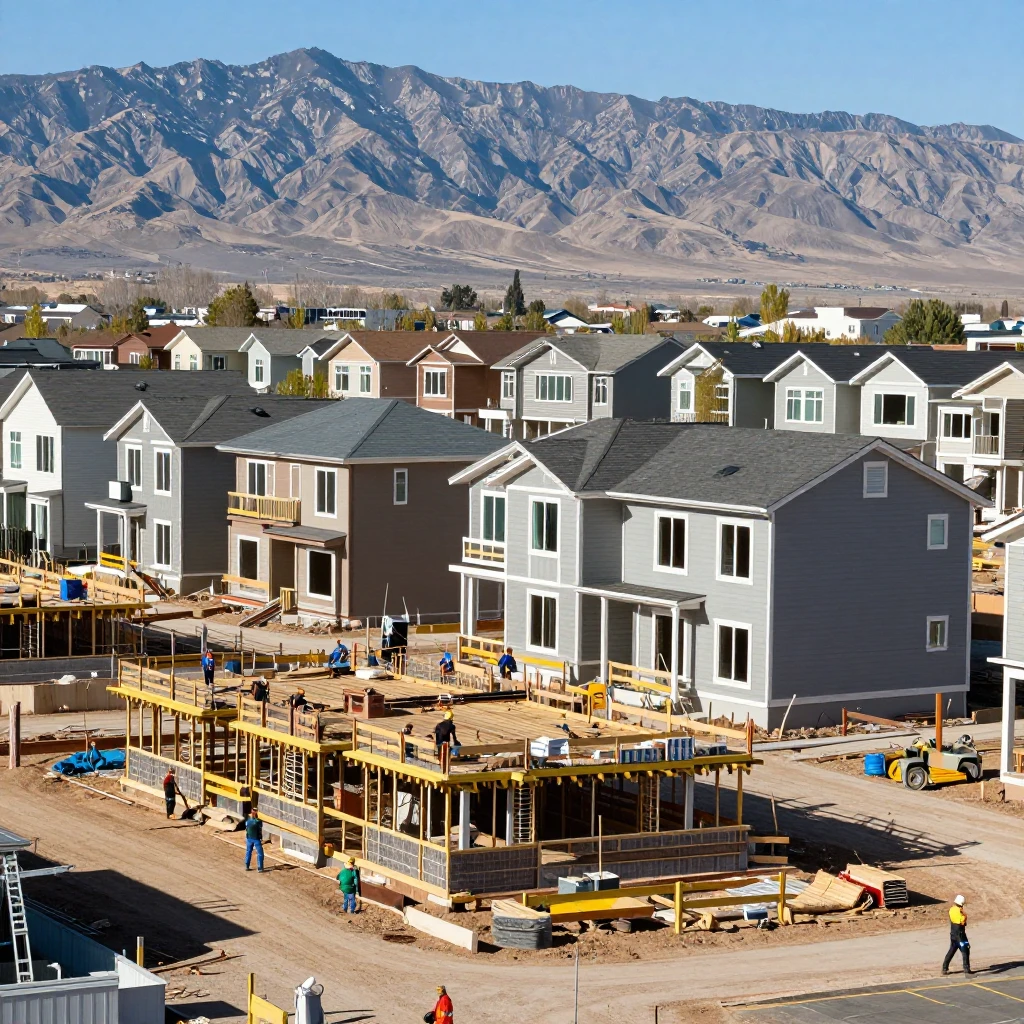
Construction is a key part of the supply response. Builders consider land and material costs, financing, labor availability, expected rents or sales prices, and local permitting. A project announced today may not deliver homes quickly, and proposed units should not be counted as available housing until they are completed and ready to occupy.
New development also brings trade-offs. It can expand housing choice and support local employment, while adding pressure to roads, water systems, schools, and other public services. Communities can improve the balance by coordinating housing approvals with infrastructure planning and encouraging a mix of housing types, including apartments, smaller homes, and units suited to different household sizes.
What could shape Nevada’s market next?
Nevada’s next market phase will depend chiefly on mortgage rates, migration, employment, and how quickly new homes are completed. These variables point to several plausible outcomes, not a guaranteed forecast.
If mortgage rates ease and job growth remains steady, more households may be able to buy, adding demand. If listings do not keep pace, prices could remain firm in sought-after neighborhoods. However, lower rates can also encourage current homeowners to sell, which would add inventory and moderate competition.
If rates stay high or employment weakens, buyers may delay purchases and sellers may adjust expectations. That could cool activity, but it would not affect every part of Nevada equally. Areas with a narrow employment base or fewer housing options may respond differently from diverse metro markets.
A faster pace of completed construction could broaden choices for buyers and renters, especially if homes are built at a range of prices. But growth in population or construction costs could absorb some of that supply. The practical indicators to watch are local inventory, completed housing units, rents, job trends, mortgage costs, and household incomes. Together, they reveal more than a headline about statewide prices.
What the trends mean for buyers, renters, and communities
For Nevada residents, the main takeaway is to make housing decisions using local data and a realistic budget. Buyers should weigh monthly costs and neighborhood conditions; renters should track lease terms and nearby supply; local leaders should plan housing alongside infrastructure.
Buyers can compare several recent sales, request a full estimate of taxes and insurance, and avoid stretching their budget based on an assumed future price increase. Renters can check comparable units, ask how renewal terms work, and factor in commuting costs when comparing neighborhoods. Neither group should treat a statewide trend as a promise about a specific property or lease.
Communities face a wider planning challenge: housing must be accessible to workers and residents while roads, water, schools, and public services keep pace. More construction can help, but location and housing type matter. A supply of expensive homes alone may not resolve shortages for households with modest incomes.
For current context, residents can consult Nevada’s official population and planning information through UNR’s Nevada State Demographer and review housing and community development resources from the Nevada Housing Division. These sources help frame state-level conditions; local listings and municipal plans are still essential for neighborhood decisions.
Frequently asked questions
Is Nevada’s real estate market still growing?
Nevada remains a market shaped by population movement and development, but growth is not even across the state. Sales activity, prices, rents, and construction can rise or slow at different times in Las Vegas, Reno, and smaller communities.
Which factors influence home prices in Nevada?
Home prices respond to local supply and demand, mortgage rates, employment, household incomes, construction costs, and the type and location of homes for sale. Neighborhood-level inventory can matter more to a buyer than a statewide average.
How do Las Vegas and Reno markets differ?
Las Vegas is a larger market with a broad mix of neighborhoods and an economy strongly connected to tourism and services. Reno has a distinct employment base and geographic constraints that can affect development. Prices, rents, and available homes vary within both regions.
Could housing affordability improve?
Affordability could improve if incomes grow, mortgage costs ease, or housing supply expands at prices households can manage. Any improvement depends on several factors, and added construction may take time to reach the market.
What trends should buyers and renters watch?
Watch local inventory, completed construction, rents, mortgage rates, wages, and employment. These indicators can show whether choices are expanding and whether monthly housing costs are becoming more manageable.