Breaking Down the Latest Gaming Industry News in Las Vegas

Las Vegas remains one of the most closely watched gaming markets in the United States. New resort projects, changing sports-betting rules, digital gaming debates, regulatory decisions, and shifts in tourism can affect casino operators and the wider Nevada economy.
Because announcements often move quickly, readers should separate confirmed actions from proposals, projections, and industry speculation. The Nevada Gaming Control Board, Nevada Gaming Commission, public company filings, and official statements from operators provide the clearest record of what has actually changed.
The Biggest Recent Developments in Las Vegas Gaming
The biggest Las Vegas gaming developments involve resort investment, competition for visitors, sports betting, digital platforms, and continued regulatory scrutiny. Their local importance depends on whether a change affects jobs, visitor spending, public revenue, or the way casinos conduct business.
The Las Vegas Strip continues to attract capital from casino operators, hospitality companies, entertainment brands, and sports organizations. New or remodeled properties can change the competitive balance by adding hotel rooms, restaurants, convention space, theaters, and casino floors. A major project may also influence traffic, construction employment, and demand for nearby services.
Downtown Las Vegas is developing along a different path. Its gaming market includes established casinos, independent businesses, live entertainment, restaurants, and technology-focused projects. Competition between downtown properties and Strip resorts is therefore about more than table games. It also involves price, walkability, events, local identity, and the visitor experience.
Sports and entertainment remain central to the market’s evolution. Major events can increase hotel demand and casino visitation, while new venues give operators additional ways to reach customers. Still, a busy event calendar does not automatically prove that every business or neighborhood will benefit equally.
For a state news audience, the key questions are practical: Was the announcement approved? Which company or public agency made it? What is the timeline? And which effects are documented rather than merely predicted?
Casino Operators, Resorts, and the Las Vegas Market
Casino operators compete in Las Vegas through resorts, entertainment, dining, conventions, technology, and customer loyalty programs as much as through gaming. Changes at one property can influence room rates, employment, visitor traffic, and the strategies of rival resorts.
Large operators typically manage portfolios that span the Las Vegas Strip and other markets. Their decisions may include renovations, restaurant openings, entertainment contracts, convention investments, or changes to the mix of hotel and casino space. Public companies usually discuss these plans in earnings releases and regulatory filings, while privately held businesses may rely on formal announcements or agency records.
Competition is also becoming more segmented. A luxury resort may focus on high-spending travelers and premium entertainment, while another property may emphasize conventions, value-oriented rooms, sports viewing, or family-accessible attractions. Downtown Las Vegas operators often compete through smaller venues, independent restaurants, cultural programming, and proximity to Fremont Street.
The market carries trade-offs. Investment can refresh aging properties and support construction work, but redevelopment may also mean temporary closures, higher prices, or changes to the character of a property. Residents and workers may judge a project by different measures than investors, particularly when transportation, housing costs, or public infrastructure enter the discussion.
Readers should also distinguish a confirmed resort opening from an early concept. A project can be announced, financed, approved, under construction, delayed, or canceled. Those stages have different levels of certainty and should not be treated as interchangeable.
Sports Betting and Online Gaming Updates
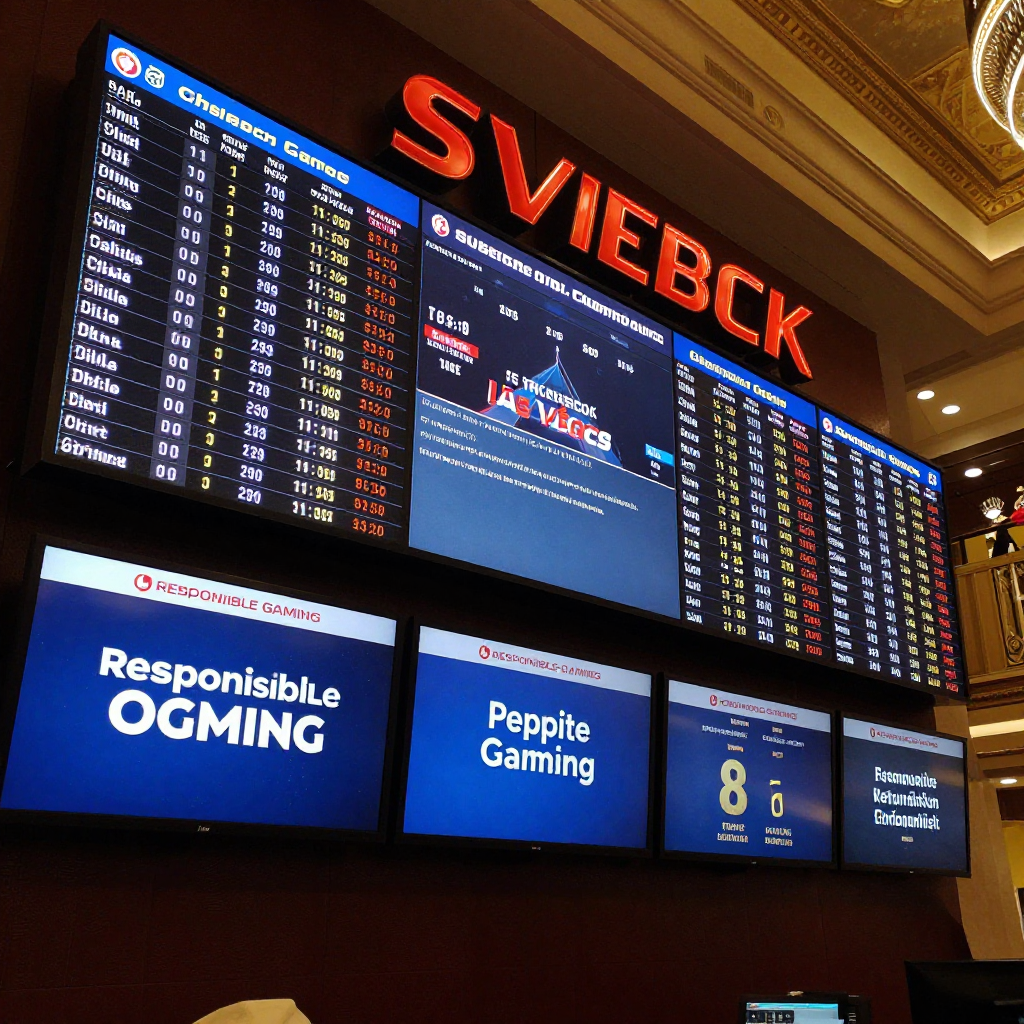
Sports betting in Nevada remains tied to licensed sportsbooks, approved technology, and state oversight, while online gaming is more limited than in many states. Mobile wagering has expanded convenience, but it does not remove registration, identity, geolocation, or responsible-gaming requirements.
Nevada sportsbooks operate through licensed casino companies and technology partners. Bettors using mobile applications generally must create an account through an approved operator and remain within Nevada’s borders when placing wagers. Geolocation systems help verify that requirement, while identity checks support compliance with anti-money-laundering rules.
Online gaming requires careful terminology. Nevada permits online poker under a regulated framework, but it has not adopted the same broad online casino model used in some other jurisdictions. Digital sports betting, online poker, and internet casino games are separate policy questions, each involving licensing, consumer protection, taxation, and enforcement.
National sports-betting developments can still matter locally. Changes in advertising standards, promotional practices, data partnerships, or responsible-gaming policies may influence what Nevada operators offer. However, a rule adopted elsewhere does not automatically apply in Nevada.
Consumers should verify an operator’s status through official Nevada sources and read account terms before depositing money. News coverage should not be confused with betting advice. Sports wagering carries financial risk, and promotions can include conditions that affect withdrawals, eligibility, and time limits.
Regulation and Oversight in Nevada
Nevada’s gaming regulation is led by the Nevada Gaming Control Board and the Nevada Gaming Commission. The Control Board investigates, monitors, and makes recommendations, while the Commission acts on licensing and disciplinary matters within the state’s regulatory structure.
The system covers licensing, ownership, suitability, financial reporting, internal controls, surveillance, employee registration, gaming devices, sports betting, and compliance investigations. Regulators may review whether an operator has the financial capacity, integrity, systems, and personnel needed to run a gaming business.
The distinction between the two agencies matters. The Nevada Gaming Control Board serves as the primary enforcement and investigative body. The Nevada Gaming Commission considers recommendations and makes final decisions on many licensing and disciplinary questions. Official meeting agendas and minutes can show whether a matter is pending, approved, modified, or deferred.
Responsible gaming is another part of oversight. Casinos and sportsbooks must provide information and controls intended to reduce gambling-related harm, including self-exclusion processes and problem-gambling resources. These measures cannot eliminate risk, but they give consumers tools to set limits and seek assistance.
For reliable updates, readers can consult the Nevada Gaming Control Board and the Nevada Gaming Commission. Those sources are more dependable than anonymous social-media posts or headlines that omit the status of a regulatory proceeding.
Economic and Community Impact
Gaming affects Nevada through tourism, employment, tax collections, supply chains, and local business activity, but the results vary by project and location. A headline about increased casino activity does not by itself establish how much residents, workers, or small businesses will gain.
Las Vegas resorts employ people in gaming, hotels, food service, security, maintenance, entertainment, transportation, marketing, and administration. They also purchase goods and services from contractors and suppliers. Large conventions and sporting events can spread demand beyond casino floors to restaurants, rideshare services, retailers, and museums.
Public revenue is another consideration. Gaming taxes and related fees support state functions, while local governments address infrastructure, public safety, transportation, and land-use issues. The exact effect depends on taxable activity, project design, labor needs, and the way visitors spend money.
Communities also face costs and concerns. Higher visitor volumes may increase congestion, waste, housing pressure, and demand for public services. Construction can disrupt nearby residents and businesses before a completed project creates any economic benefit. Workers may welcome new jobs while still seeking predictable schedules, wages, and affordable housing.
A responsible assessment therefore uses several measures: employment quality, tax receipts, visitor spending, neighborhood effects, infrastructure requirements, and community feedback. One quarterly revenue figure cannot capture all of them.
What the News Could Mean for Visitors and Residents
For visitors, gaming news may affect prices, entertainment choices, transportation, and mobile-betting access; for residents, it may affect employment, traffic, regulation, and public services. The practical impact depends on the property, event, and policy involved.
Visitors may see new restaurants, renovated rooms, expanded entertainment schedules, or temporary construction around a resort. Major conventions and sporting events can increase demand for hotel rooms and transportation, so travelers may need to compare cancellation policies, resort fees, parking rules, and event-related surcharges before booking.
Sports bettors should confirm that an app is licensed in Nevada, understand location requirements, and set a spending limit before wagering. Residents who do not gamble can still be affected by road projects, employment opportunities, local tax decisions, or changes in neighborhood development.
Workers and small businesses should watch announcements beyond the casino floor. A new resort may create hiring opportunities, but many positions open gradually and may require specific schedules or experience. Contractors and suppliers should verify procurement information through the operator or relevant public agency rather than relying on unofficial claims.
One common mistake is treating a press release as a finished project. Another is assuming that a national gaming trend automatically changes Nevada law. Checking the approval stage and the responsible regulator prevents both errors.
What to Watch Next in Las Vegas Gaming
The next major signals will come from regulatory meetings, operator filings, construction timelines, sports-betting policy, online gaming discussions, and tourism data. These sources can show whether an announcement is moving from concept to implementation.
- Regulatory decisions: Watch Nevada Gaming Control Board recommendations, Nevada Gaming Commission agendas, licensing actions, and disciplinary proceedings.
- Resort development: Track financing, permits, construction milestones, room inventory, entertainment venues, and transportation plans.
- Sports betting: Monitor mobile-platform changes, compliance requirements, advertising practices, and responsible-gaming initiatives.
- Online gaming: Look for formal legislation, regulatory proposals, and statements from licensed operators rather than predictions based on national trends.
- Economic indicators: Review official tourism, employment, tax, and visitor-spending data before drawing conclusions about growth or decline.
The most useful coverage will continue to distinguish confirmed developments from proposals and forecasts. Las Vegas gaming is large enough that a single decision can affect hotels, workers, visitors, public agencies, and competing businesses. Its next chapter will be shaped by investment, but also by oversight and the community’s judgment about how that growth should work.
Frequently Asked Questions About Las Vegas Gaming News
What are the latest major gaming developments in Las Vegas?
Major developments generally involve resort investment, entertainment venues, sports betting, technology, and regulatory decisions. Readers should verify each announcement through operator filings or official state records.
How does Nevada regulate casinos and sports betting?
The Nevada Gaming Control Board investigates and monitors licensees, while the Nevada Gaming Commission makes key licensing and disciplinary decisions. Licensed operators must follow state rules for gaming, sports wagering, security, and compliance.
What is changing in Las Vegas online gaming?
Online sports betting and regulated online poker operate within Nevada’s framework. Broader online casino gaming remains a separate policy issue and should not be assumed to be authorized without a formal state action.
How could gaming industry news affect visitors and residents?
Changes can influence hotel prices, entertainment, transportation, jobs, business demand, public revenue, and neighborhood conditions. The effect depends on the specific property or policy and its implementation timeline.
Where can readers verify future gaming announcements?
Useful sources include the Nevada Gaming Control Board, Nevada Gaming Commission, official operator filings, public meeting documents, and state tourism and economic data. These records help distinguish confirmed action from speculation.